Masters of the Air: On Screen vs. The Real Thing (Episode 2)

The big and small historical details the show nails.
A side-by-side look at images from the war and the series.

(Episode 1 recap available here.)

In episode 2, Cleven flies a mission to Bremen that’s scrubbed when the target area is obscured by cloud cover. Bombs are dropped in the Channel. Men are lost. The mission is for naught. Egan successfully seeks a demotion to get back into combat, joining Cleven as a Squadron Commander. The hellish conditions at high altitude send more of Cleven’s men to the hospital with wounds never seen before in combat. Yes, we see missions in this episode. But we also see life on base. We get a glimpse into HQ, the nerve center of mission operations. We see the bomber boys unwind – with a dance on base and an electric bike race. It’s the moments between missions where the historical details shine in this episode.


Post-Mission interrogation started with scotch and a sandwich.

ON SCREEN vs. THE REAL THING: Post-Mission Interrogation on Base

At the opening of Episode 2, we see the 100th Bomb Group crews return to base, herded into 2.5 ton trucks, and driven to interrogation. “Not another word,” officers say over and over, silencing any talk of the mission until debriefing.

During the war, the pre-debriefing ritual was just like what we saw in the show: “[Crews] first went through the medical debriefing to see who might have been hurt or shaken physically or psychologically. This was usually just a quick once over, then a medic handed each crewmen a 3 ounce shot of scotch in a paper cup,” according to Mahoney, a Squadron Commander in an 8th Air Force Group, the same role Cleven and Egan held in the show.

The scotch was given to calm nerves. In the show, Cleven is portrayed as a teetotaler. He would’ve been in the minority of airmen who didn’t drink. “We had a couple of the teetotalers on the crew. This resulted in a bonus for the rest of us,” said one airman at Shipdham Airbase during the war.

Red Cross girls also would’ve offered something to eat, often a donut or sandwich. It’s the latter that we see in this episode.

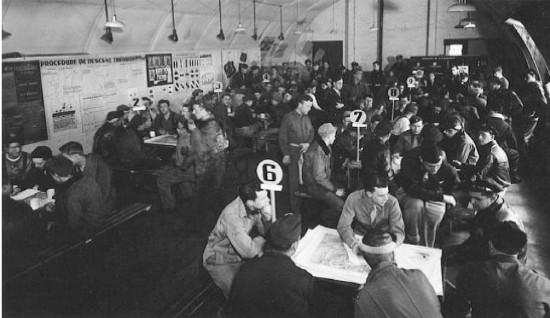
Then, interrogation began on the HQ site. In a room just like we saw in the show, the men who survived would’ve been seated by crew. The mission was recounted – the conversation led by an interrogation officer seated with each crew, just as we saw at the beginning of this episode. Top priorities were summarizing enemy action (when and where flak or fighters hit), accuracy of the bomb drop, and details about crews shot down. That intel was critical in the creation of a MACR – or Missing Air Crew Report – which tracked everything known about the status of downed crews. Were they confirmed dead (an unsurvivable explosion)? Possibly alive (chutes seen opening)?

J. Good Brown, an 8th AF Chaplain, spoke of the mood at interrogation: “We sit here waiting. The place gets empty after a while. You look for faces and they are not here. They did not come back. The atmosphere in the interrogation room is sad beyond words. I have actually seen the members of the crew crying. I see men’s faces when they walk off alone. I walk over and stand by a man’s side. Perhaps I do not say a word. I just walk out of the building with him.”


There actually was a hospital on base at Thorpe Abbotts.
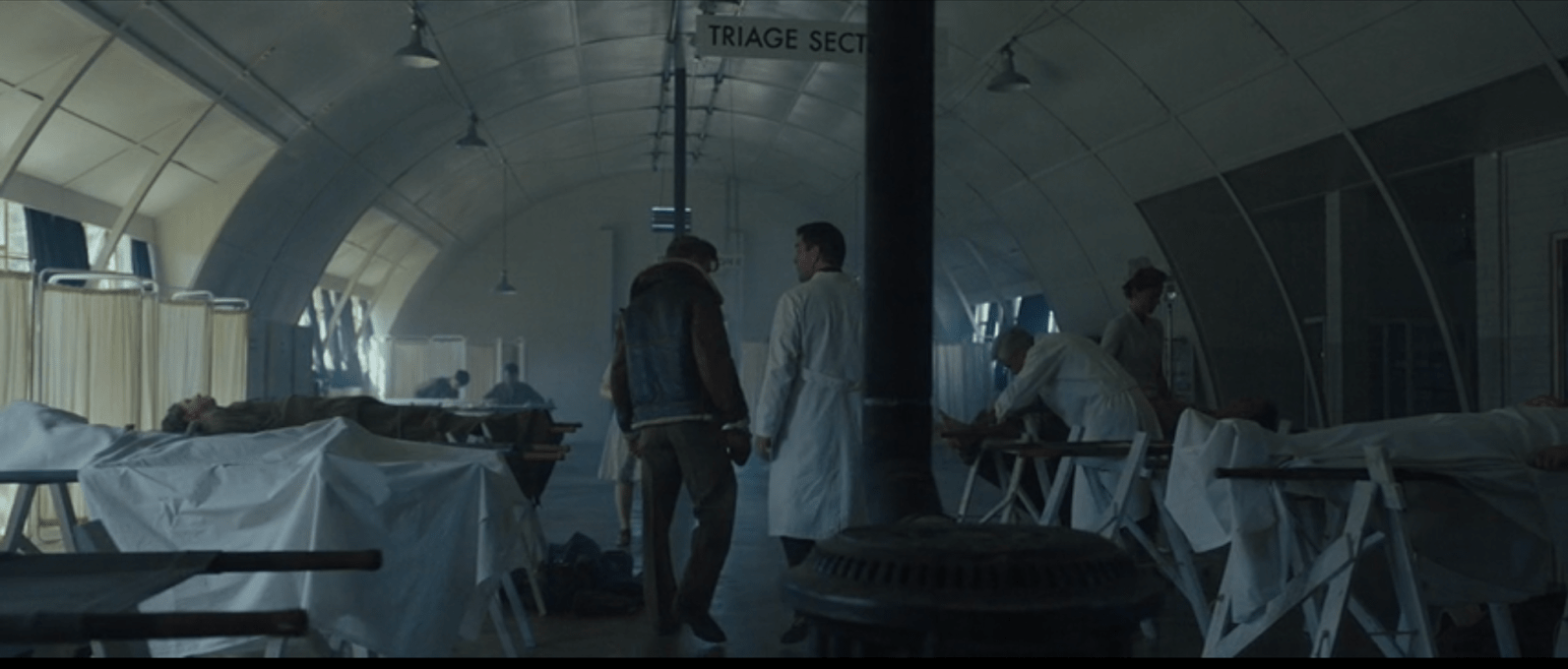
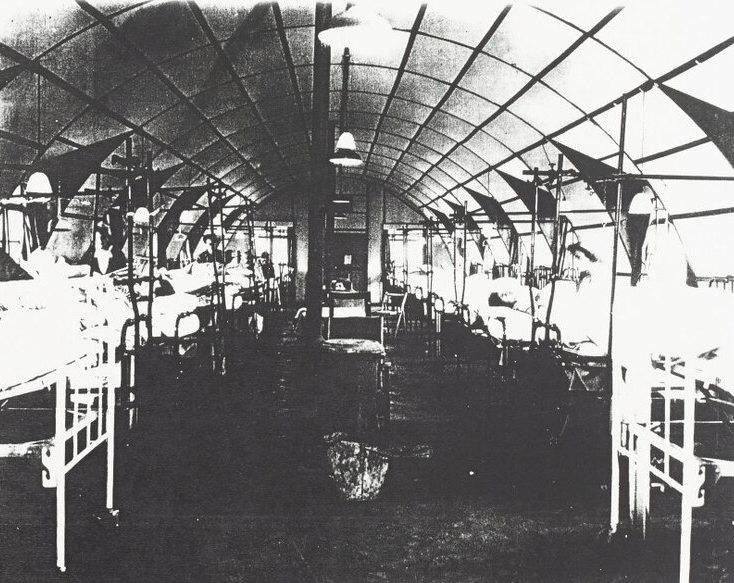
ON SCREEN vs. THE REAL THING: Station Hospitals on American Heavy Bomber Bases in England

In this episode, we see Cleven visits his men in the hospital. Frostbite seems the predominant wound.

We learn from Cleven’s conversation with the Flight Surgeon that aerial combat medicine was a new and evolving field when the 8th Air Force began flying missions in late 1942. “Flight surgeons had to learn about war and war injuries by experiencing the unique and yet unknown conditions airmen faced in the bombing war,” commented a post-war report on aerial combat medicine.

Each heavy bomber base had its own hospital, with up to 25 beds, where minor injuries could be treated and short-term care provided. For more serious cases – like the frostbite and flak wounds we see in this episode – injured airmen were sent off base to one of five nearby hospitals that specialized in aerial combat medicine. In the first two years of war, frigid temperatures at high altitude caused half of all casualties in the 8th Air Force. Flak and fighters were far from the only foe the 8th AF encountered, particularly for the pioneers of the air war, like Cleven and his men. Conditions at altitude were deadly, too.

By V-E Day, 26,000 8th AF airmen were killed – and 7,000 more wounded. The 8th Air Force lost more men than the Marines lost in every theater of war.

HQ Site – Where Top Brass Worked

ON SCREEN vs. THE REAL THING: (Left) 100th BG HQ, as portrayed in the show, Masters of the Air. (Right) At Shipdham Airbase, Major Hart shows General Andrews charts in the operations block.

At HQ, the Group’s top brass planned missions from beginning to end. It was a place of high intensity, where planning and execution were the focus.

Officers had their own Mess Hall on Base – featuring white tablecloths.

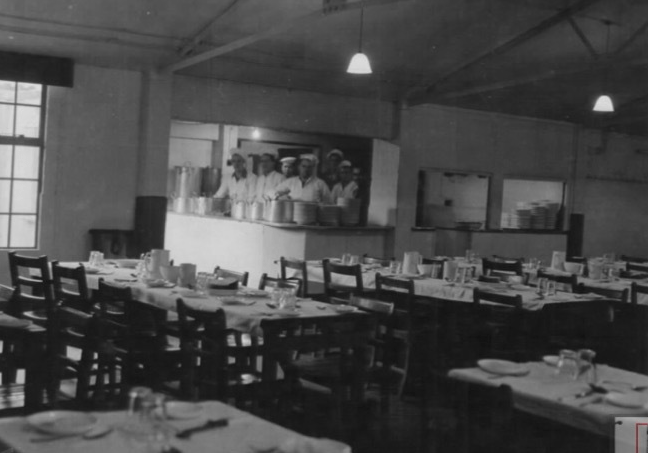
ON SCREEN vs. THE REAL THING: The Officer’s Mess Hall featured in Masters of the Air vs. a wartime officer’s mess at an 8th AF Base during the war.

We see Cleven and Egan eating breakfast at the Officer’s Mess Hall in this episode. The set is a carbon copy of images capturing the real thing during the war.

On 8th AF bases during the war, mess halls were split – one for Officers and one for Enlisted men.

White table cloths, wooden chairs, and cloth napkins were staples in the Officer’s Mess Hall. It was austere, but elevated, just like we see in the show.

With a reported budget of over $250 million, the production’s attention to detail isn’t surprising. Series writer John Orloff says some sets, like the Station Theater and the Mess Hall, were built for just a handful of scenes. Props like cups and plates were authentic to the time period.

While the mess hall scene wasn’t one most would call noteworthy, it’s yet another example of no detail overlooked in the series.


ON SCREEN: Cleven eats breakfast at the Officer’s Mess. (Photograph by Apple TV+)

Dances were frequent affairs on base – and women were brought in from surrounding English villages.
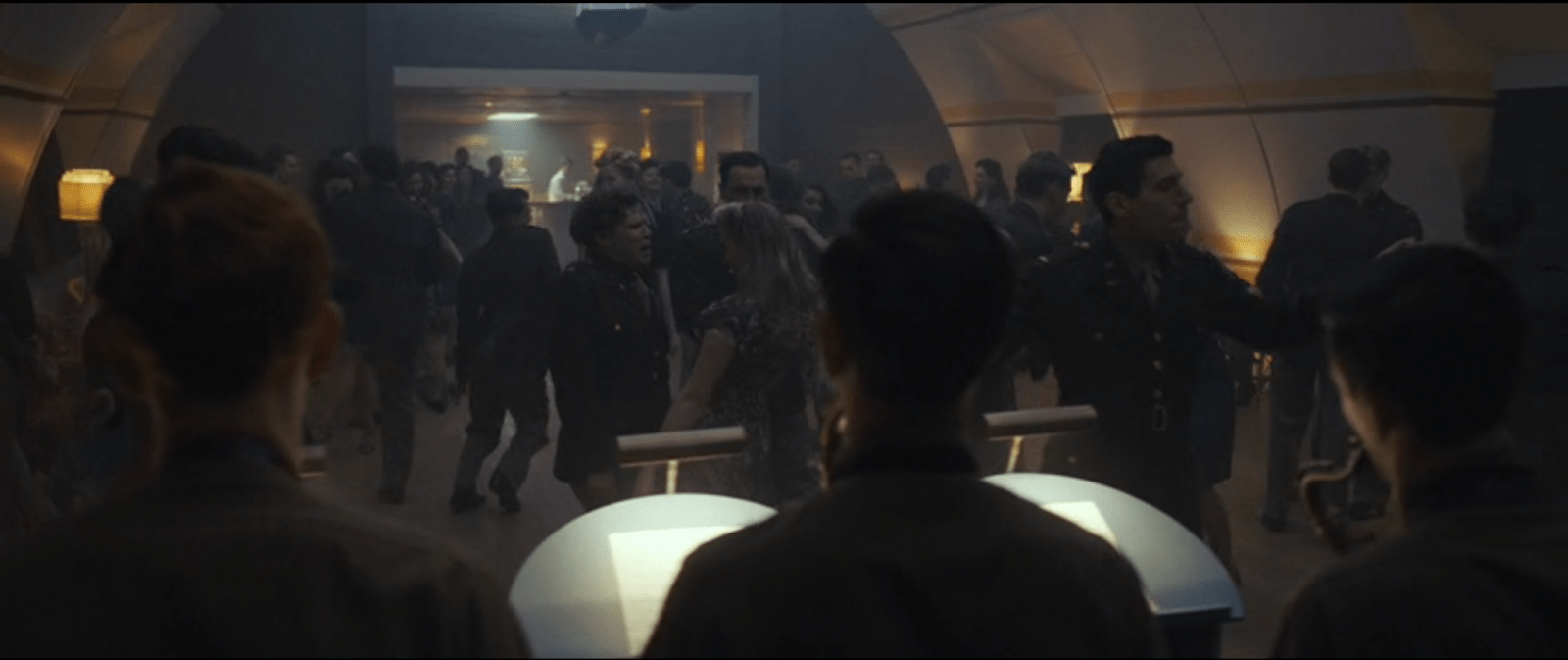
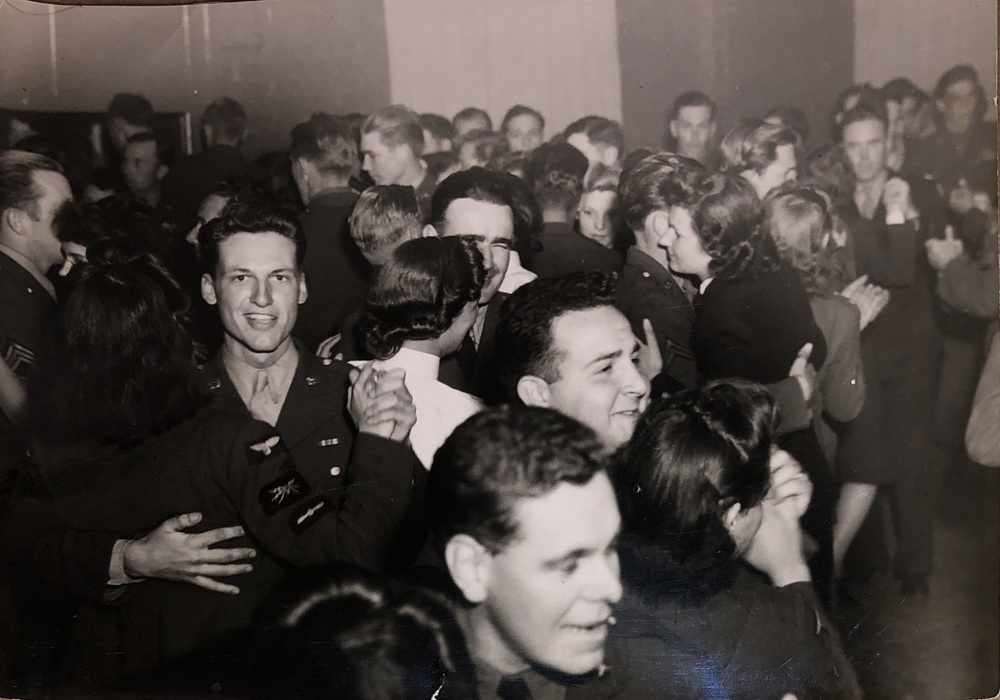
ON SCREEN vs. THE REAL THING: Dances on Base
(Right) Officer’s dance at Shipdham.

We see Cleven and Egan at an Officer’s dance at Thorpe Abbotts in this episode. Such occasions were a staple on 8th Air Force bases.

The American Red Cross club on base typically organized these evening events, separated by officers and enlisted men.

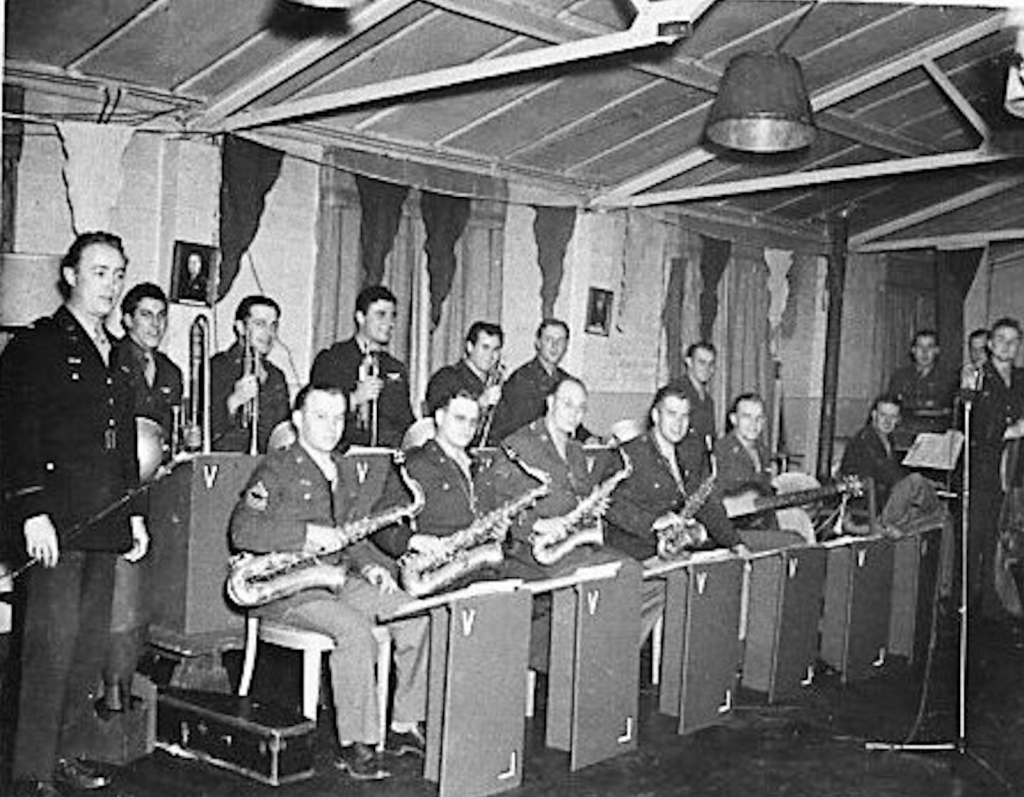
In the series, the men tap their toes to live music, thanks to the station band who plays on stage. A band on base was not unique to Thorpe Abbotts. Most 8th AF bases cobbled together a band from ground crews and airmen who moonlit as musicians.

Bomber boys did anything for a bike – then did anything on a bike.
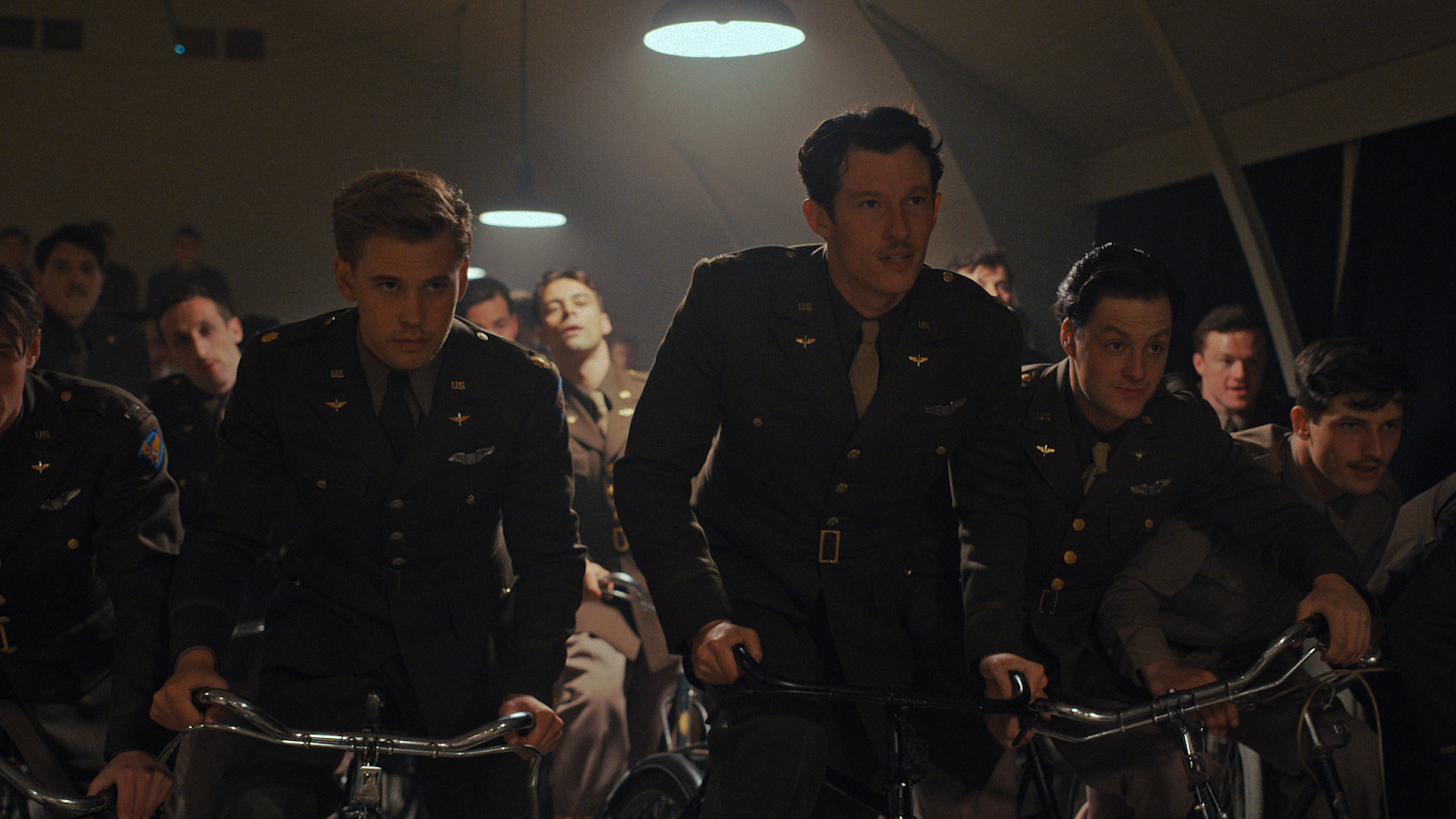
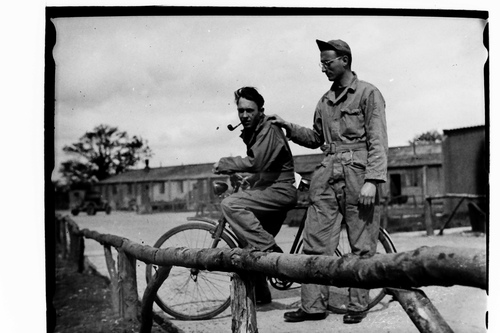
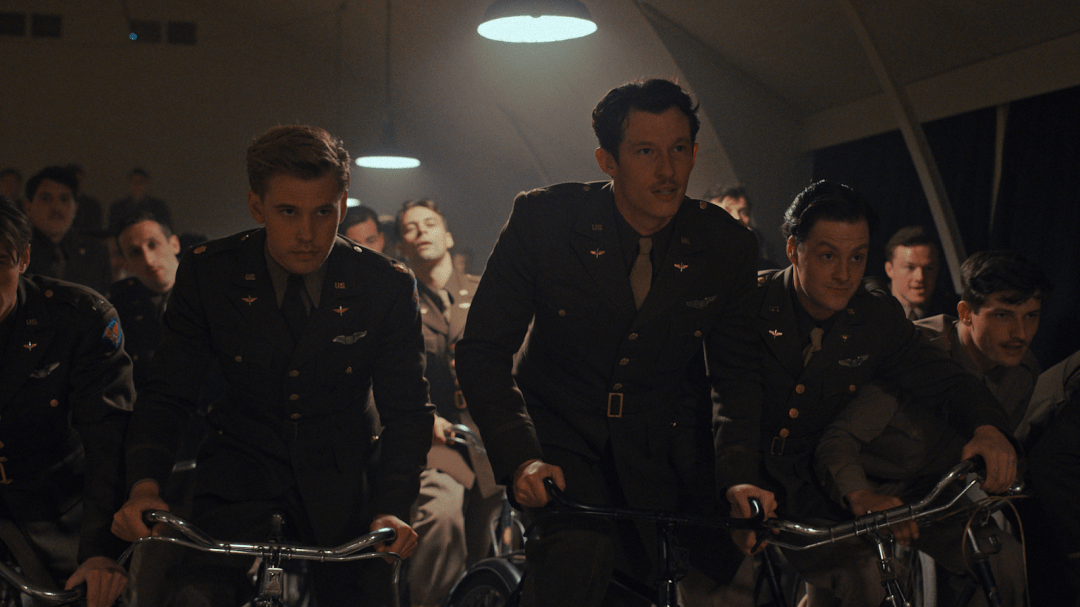
ON SCREEN vs. THE REAL THING: (Left) Cleven (played by Austin Butler) at the beginning of an electric bike race on the 100th BG’s Communal Site. (Right) Ground crewmen at Shiphdam Airfield on a bike.

In episode one, Egan’s antics at a local pub score him two bikes.

At this episode’s close, we’re treated to a bike race through the Communal Site buildings, led by Egan and Cleven.

Bikes are here, there, and everywhere in the show. And that’s historically spot on. With the sprawling size of 8th AF bases, coupled with the British rationing of gasoline, bikes were a necessity in the English countryside for Americans and English alike.

For American bomber boys, a bike came with a steep price tag. But it was a necessity.

In this episode, the boys of the Bloody 100th invent a new way to pass the time on base. A bike race. It’s an electric scene, a rare moment of joy in a war plagued by loss. It’s fun that screams of youth, reminding us just how young these boys fighting the war were.

At a nearby 8th AF base during the war, bomber boys held a similarly electric bike race outdoors. Thick, dense, hedgerows lined many of the narrow East Anglian roads. The bomber boys invented a rather violent game where an airman started on a bike, on either side of the hedgerow. Bets were placed on who would reach the end first and knock their opponent off his bike. Ribs were broken. Bikes were ridden backwards. But fun was had.


Filming for WWII mini-series Masters of the Air is underway. Sharing the ultimate crowdsourced photo dump from set.

Donald Miller’s tome Masters of the Air is finally coming to life on the big screen. It’s an epic story of the WWII heavy bomber boys in England, with a particular focus on the 100th Bomb Group – nicknamed “The Bloody Hundredth.”

Tom Hanks and Steven Spielberg are behind the mini-series. It’s positioned for critical acclaim, following in the footsteps of its predecessors Band of Brothers and The Pacific.

John Orloff, who also wrote episodes for Band of Brothers, penned the series. His Twitter feed hints at (and makes explicit, in some cases) the many years he’s poured into this project. Cary Fukunaga, Director of True Detective and the latest James Bond installment, is yet another heavyweight associated with the project.

Filming appears to have slowed down as of early 2022, and rumors have it the series will premiere as soon as late 2022.

Despite Apple’s public silence on the series, an impressive amount from filming has leaked on social media. All signs suggest the series will be spectacular, bringing the elusive air war to life – a task that’s never quite met the mark.

Want to go behind the scenes of the oh-so-secretive series? Keep scrolling for a gallery of the best snaps from set, culled from the depths of social media over the nearly year-long shoot.

And in case you missed it, check out this Business Insider article I co-wrote about Masters of the Air, which was the impetus for this post. Many of the photos below were collected while developing the BI piece. Because of the positive response to our article, a photo dump felt right to share here – aggregating the best photos from filming, with some history peppered throughout.

WHERE WAS MASTERS OF THE AIR FILMED?

It filmed throughout England, recreating 75-year-old scenes from London to East Anglia, with three major filming locations:

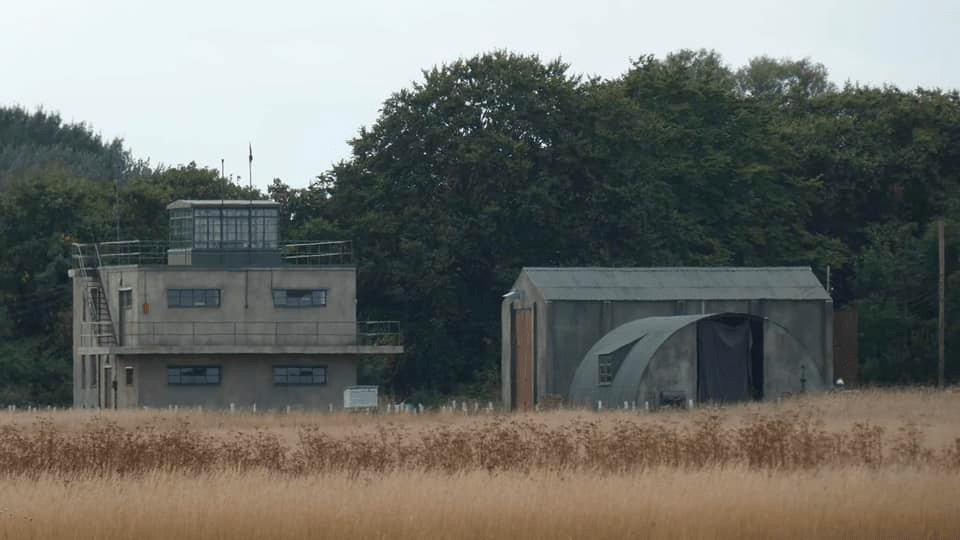
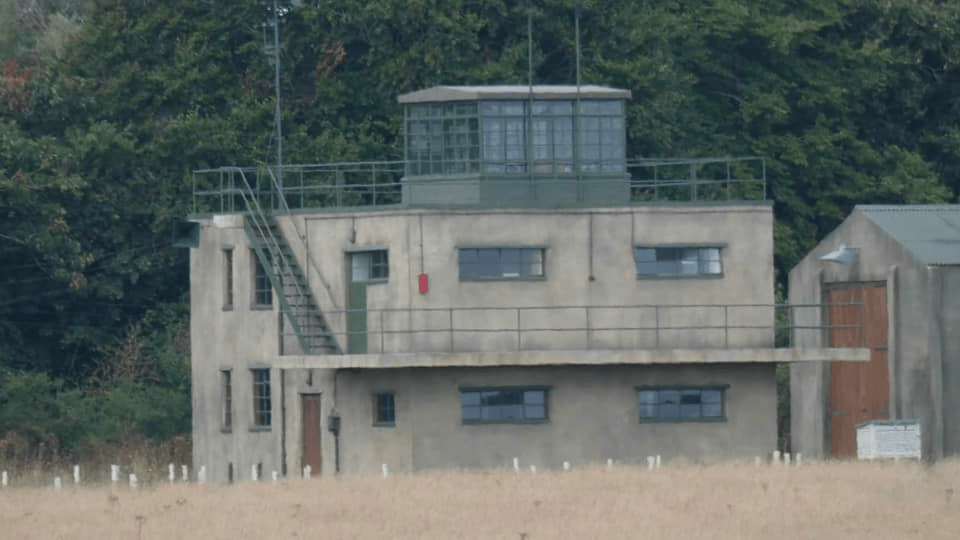
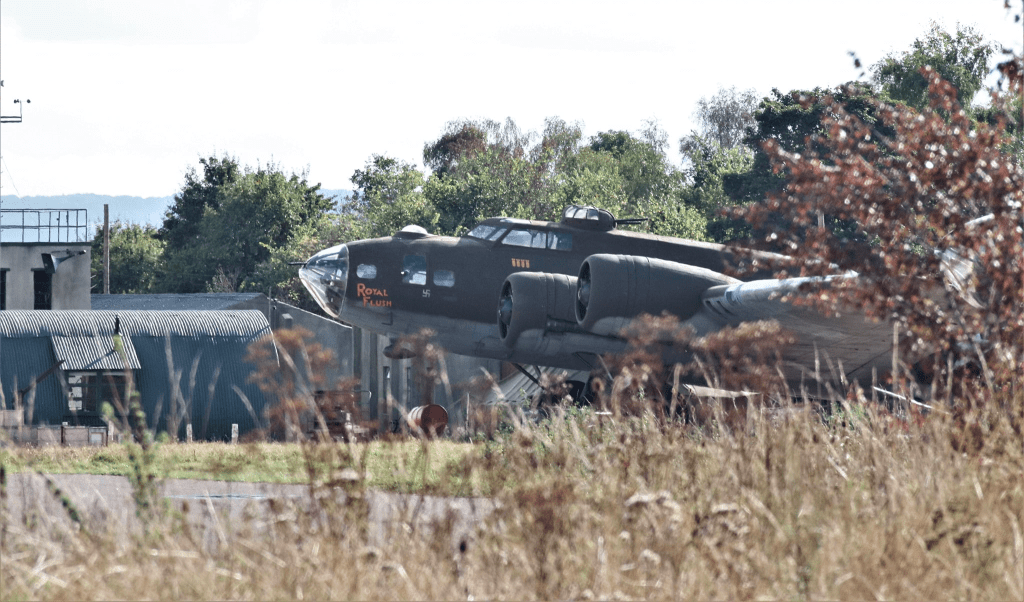
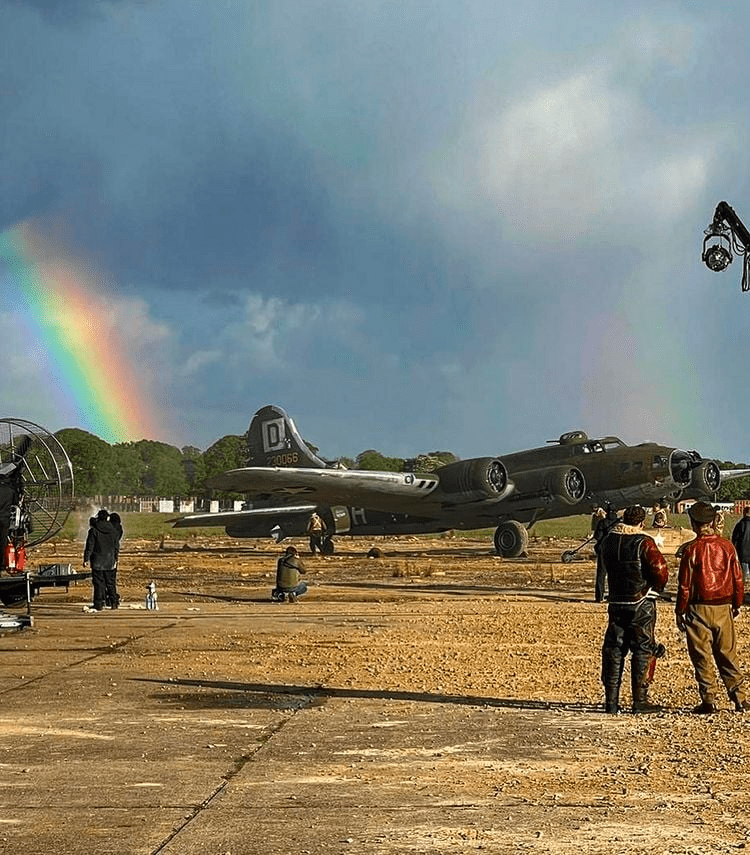
  1. An airfield set at Abingdon with two impeccable (but stationary) B-17 replicas and a Control Tower that looks straight from the war.
    Image
    The airfield set includes hardstands (above) and follows the wartime blueprint for heavy bomber bases to a tee.

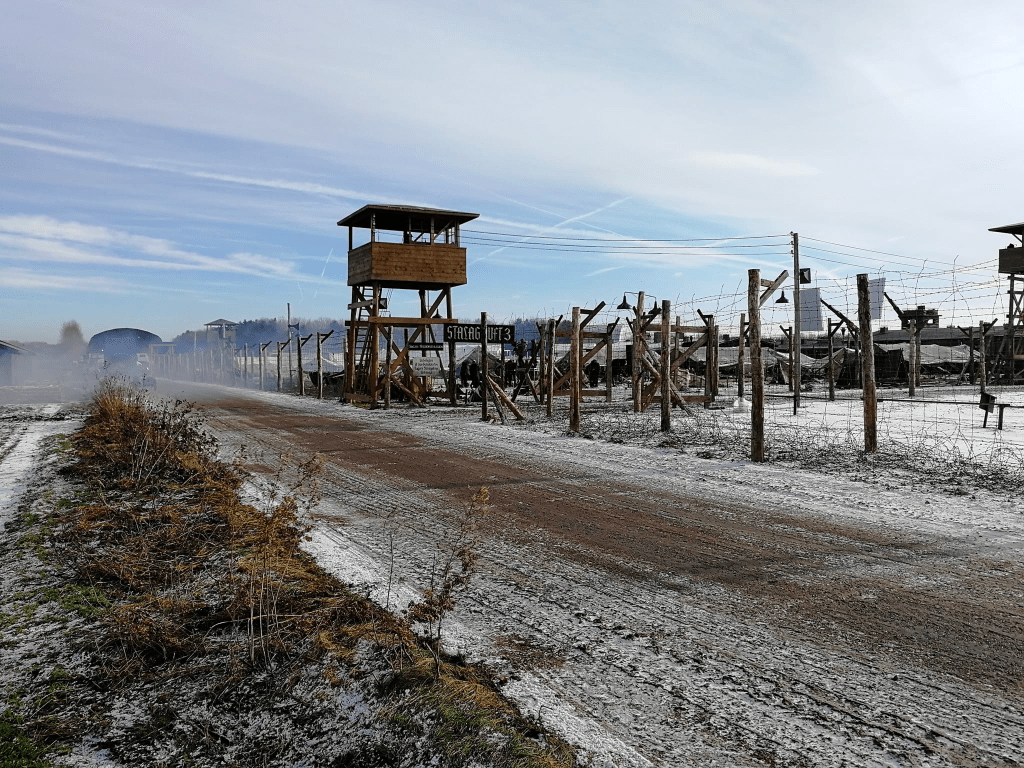
  2. A German POW camp set (Stalag Luft III) built in Bovingdon, costing over five-million pounds, complete with the eponymous guard tower, wire fence, and snow (albeit fake) on the ground.

    The POW camp set above is a carbon copy of the real thing where downed airmen were imprisoned 75-years-ago.

  3. A sprawling warehouse set for filming scenes inside a B-17; here, B-17 components (ball turret, nose turret, etc.) hung from scaffolding, presumably to film all angles of the cramped bomber. Most impressive is the Volume, a cutting-edge technology featuring a circular “green screen” to film missions in the clouds.

    Director Cary Fukunaga’s Instagram Highlight Reel features a behind-the-scenes tour of the warehouse set.

The map below lays out known filming locations. Click the pins to learn more about filming locations.

SNAPS FROM SET

A camera roll featuring the best of the best photos from sets, organized thematically.

FILMING INSIDE A B-17


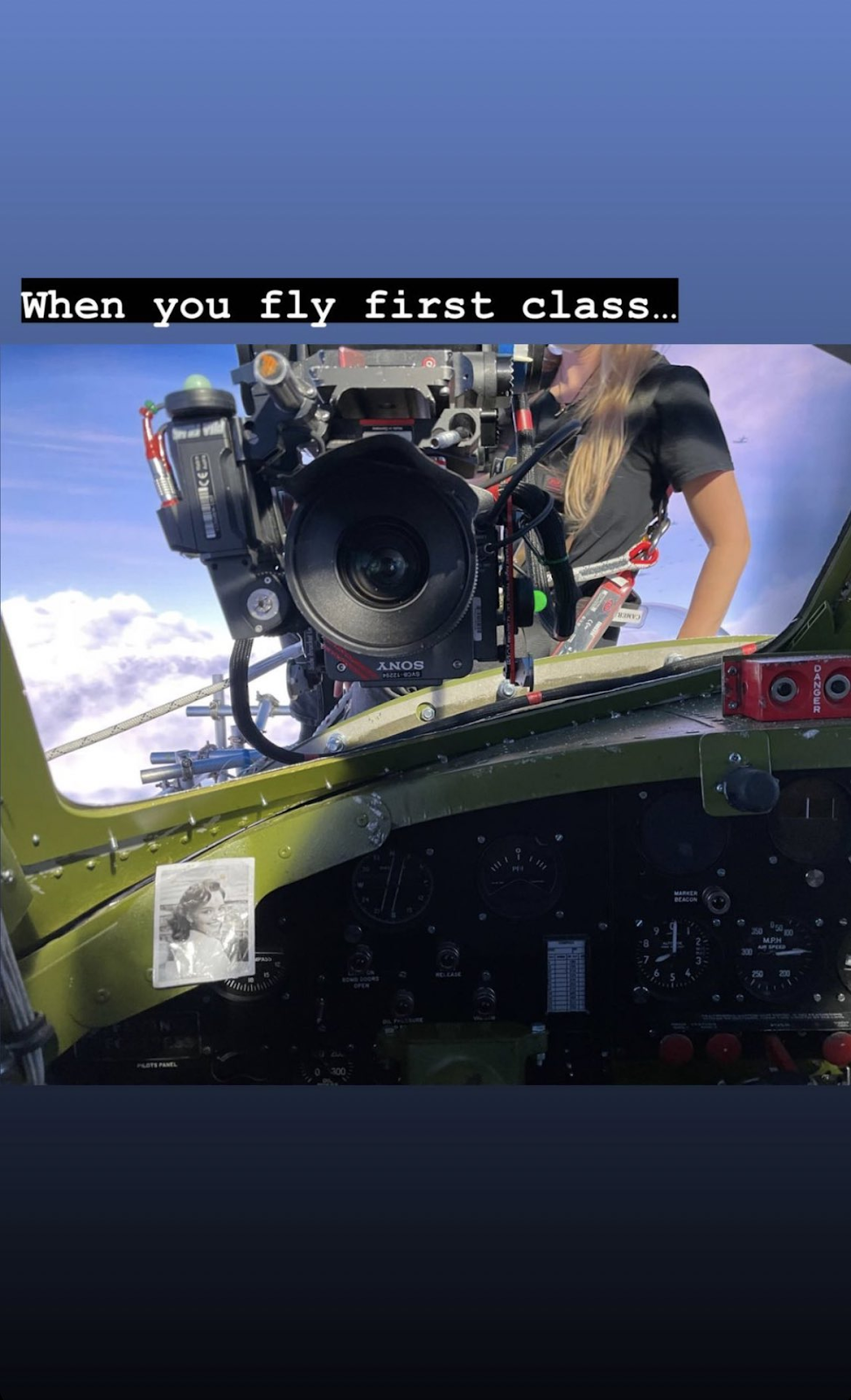
The cockpit of a B-17 constructed for filming. Filmed in circular green screen called “the Volume,” CGI clouds are visible in the background.


Above is the view from the B-17 cockpit in “the Volume.” Behind the camera, there’s a crystal clear view of the CGI clouds. The B-17 cockpit in “the Volume” isn’t on the ground, it’s rigged 10-20 feet in the air on a bed of scaffolding. In the picture above, you can see the camera operator is clipped onto a safety rope.

The devil is in the details – and the set designers don’t appear to disappoint: The instrument panel in the cockpit above is a carbon copy of the real thing from WWII. The aluminum above it is scratched and scuffed, like it would’ve been in combat, and a photo of the pilot’s sweetheart is taped in the corner.

COSTUMING FOR A WARTIME MISSION


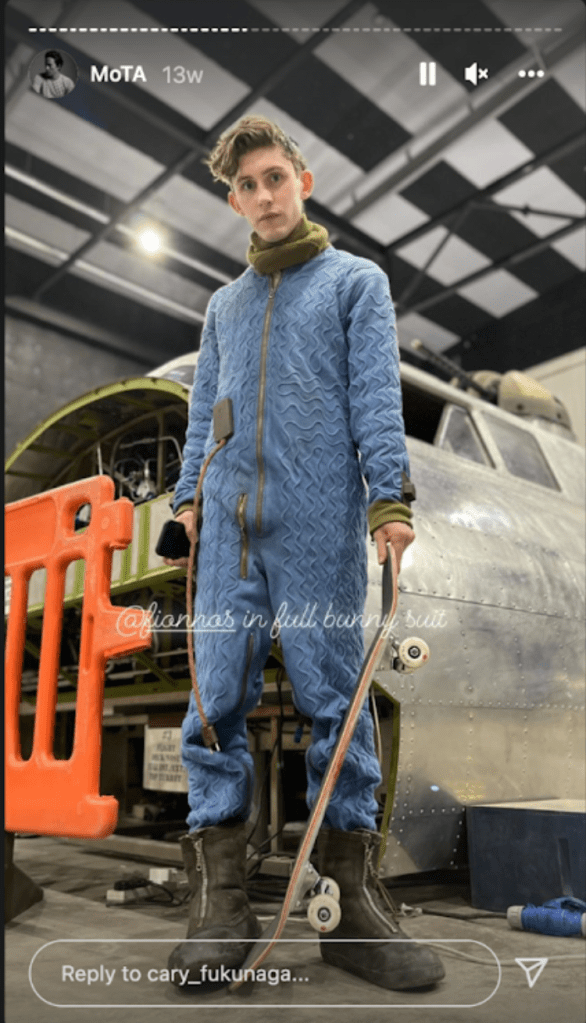
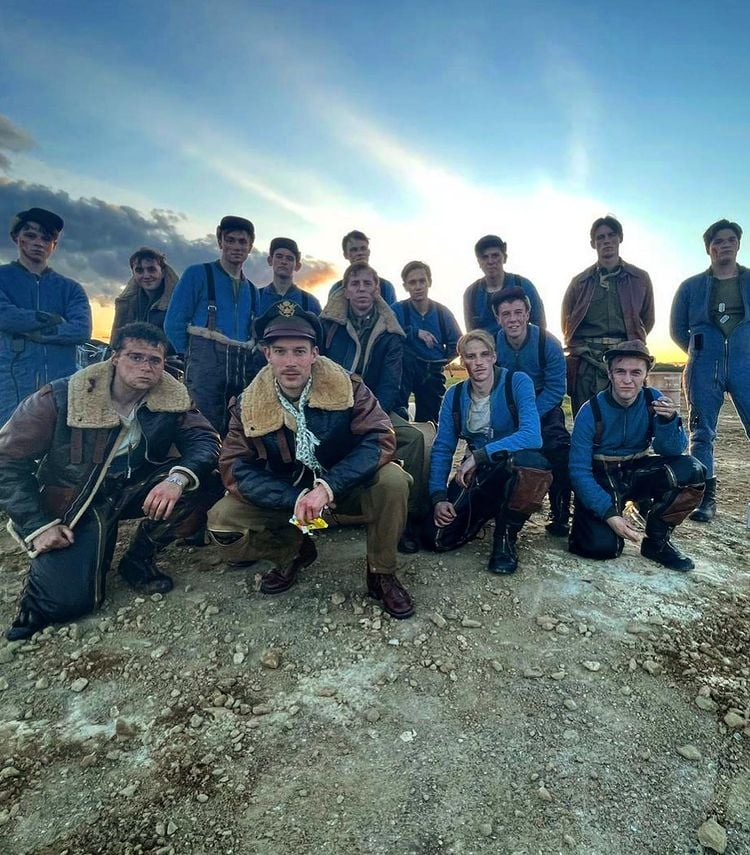
It looks like no stone was left unturned when it comes to costumes. Director Fukunaga posted the three snaps above to his Instagram, showing actors wearing heated flying suits and sheepskins that look remarkably like the real thing.

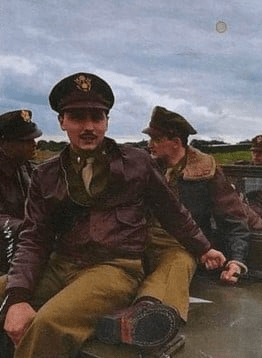
Above, actor Elliot Warren, who plays James Douglass in the series, wears an A-2 leather jacket and an Officer’s hat.

FILMING B-17 EXTERIOR SHOTS


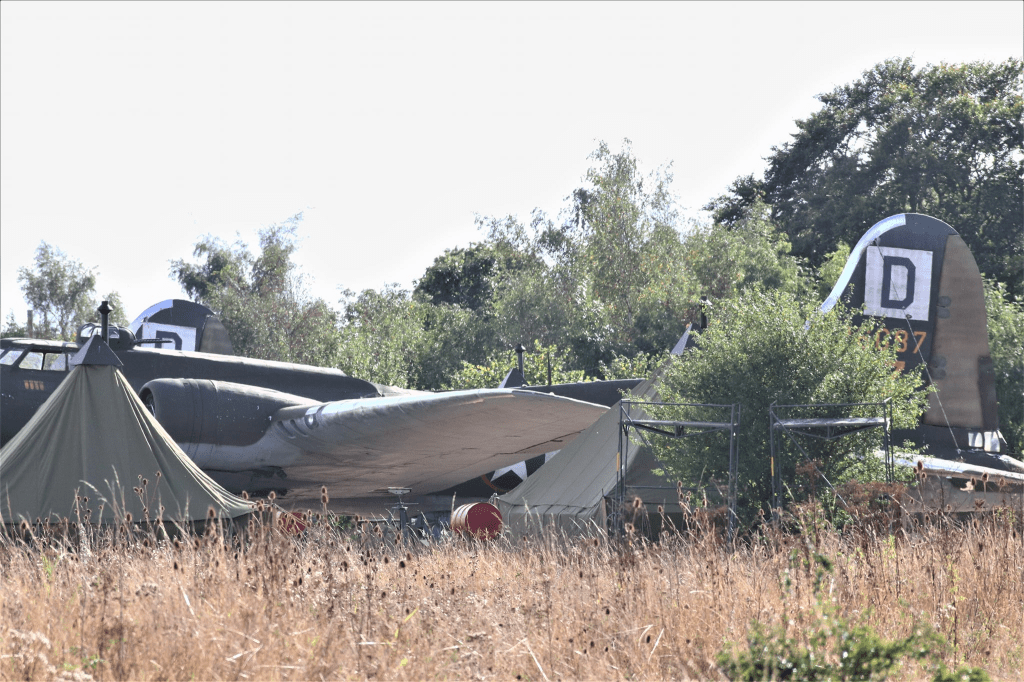
One of two full-sized B-17 replicas – sans wings – fuels up at a gas station in England. The replicas were spotted – with wings – on a set in Abingdon, England.


On the Abingdon Airfield set, one of the B-17 replicas is lifted on a crane above the runway to simulate takeoff/landing. Note the props were removed, presumably to be added with CGI later.

A close up of the stationary B-17 rigged above the airfield.


Another view of the B-17 replica lifted above the runway.


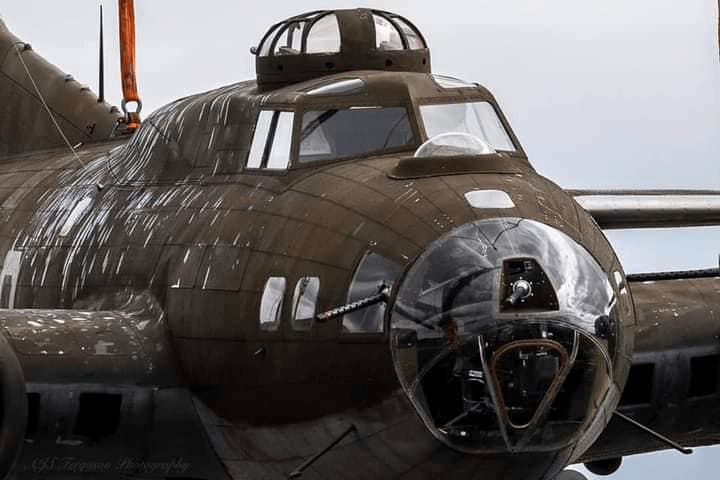
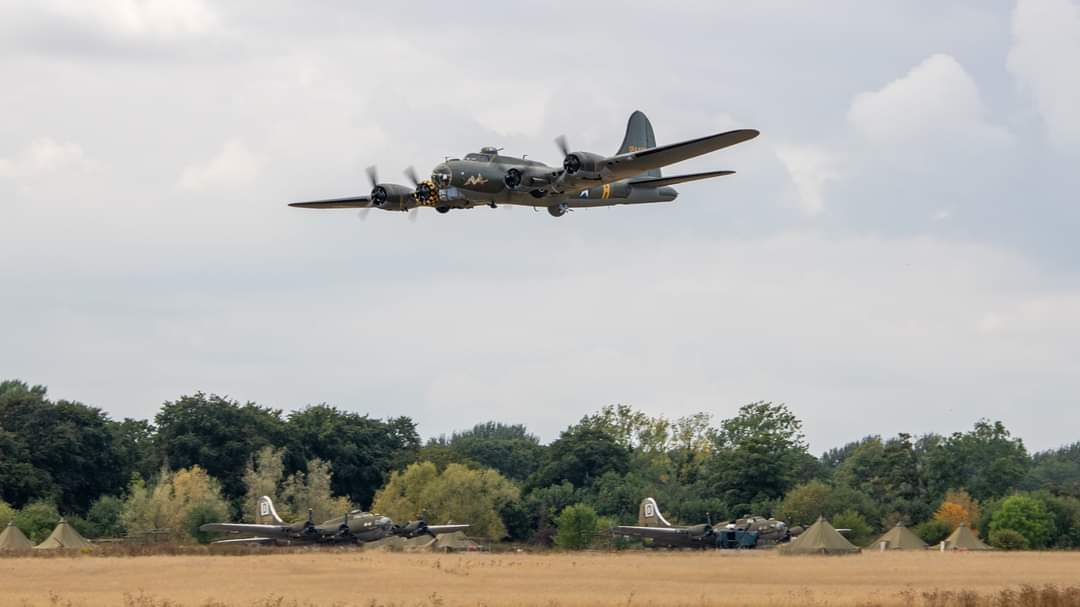
Sally-B, one of the last airworthy B-17s, buzzes the set at Abingdon.

Image
Two hardstands were constructed on the Abingdon set where the replica B-17s were parked.


Note the overgrown grass surrounding the hardstands, like it would’ve been in the war.


Aerial view of hardstand set.


Another view of the hardstands set. The Control Tower constructed for the show is visible in the background.


A closer look at the Control Tower.

Additional views of the B-17 replicas parked on the Abingdon set.

One of the B-17 replicas parked on sand-dusted concrete, allegedly for an episode that takes place in North Africa while the 100th BG was on detached service during the war.

FILMING OTHER WARBIRDS

.

Abingdon residents had an unusual – and reportedly very loud – visitor on an October 2021 afternoon as WWII-era fighters circled the sky. Onlookers allegedly spotted a pair of red-tailed P-51 Mustangs and a Russian-marked Spitfire.

There’s much speculation online about how these fighters will appear in the mini-series. The temporary paint job they were given for the filming that may offer some hints. The iconic red tails left little doubt that these P-51s portray the Tuskegee Airmen. The nose art and markings offer clues about how the fighters may fit into the bomber boys’ story. 

Captain Edward Toppins, a near ace with four enemy kills and 141 wartime missions to his name, was the real-life pilot of Topper III, the P-51 above. He’s remembered as one of the greatest Tuskegee flyers, so skilled he was known by name to the Germans.   

Margo, the second P-51 pictured in the photos above, didn’t survive the war. Shot down in the summer of 1944 over southern France, her pilot bailed out and became a POW at Stalag Luft III – the same camp that MotA has rebuilt in England for the series.  


A day after Margo and Topper III were spotted flying above the set, the red tail paint job was washed away. The final picture in the series above shows the P-51s after their red tails were washed away.

FILMING A B-17 CRASH


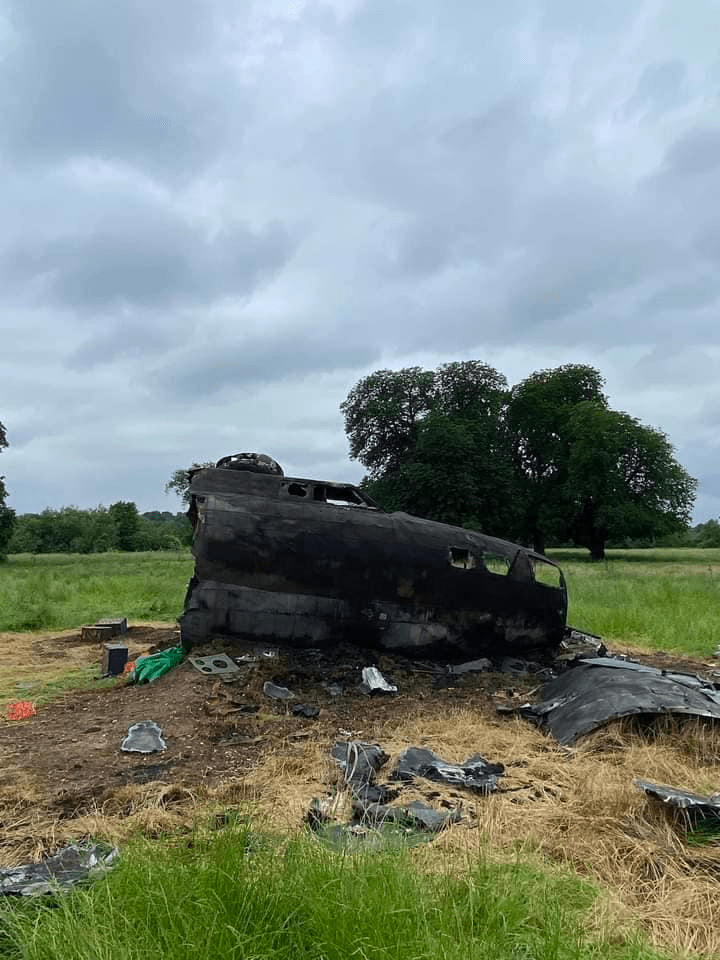
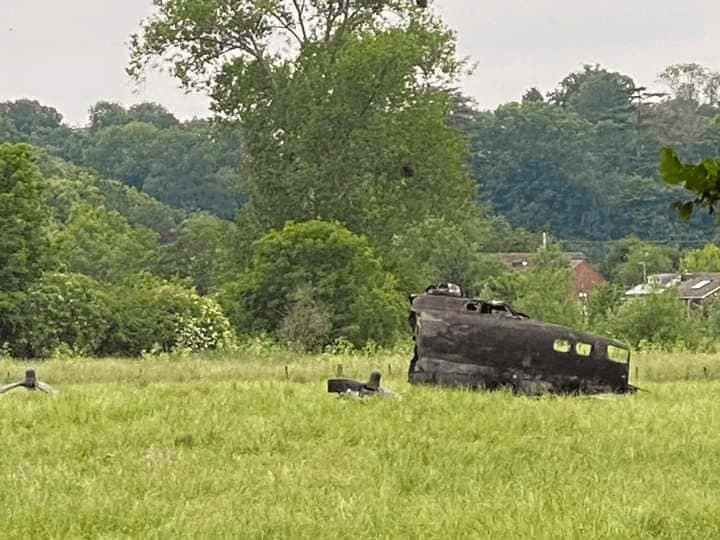
At Bovingdon, the same location of the POW bombed German village set, a burned-out, crashed B-17 nose was photographed. Behind the crash wreckage is the war-torn German town, hinting at a scene depicting a B-17 crew shot down over Germany and captured by German forces.


A fence and tarp cover the charred, wrecked B-17 nose when not filming.


The bombed-out German village set is visible in the background.

FILMING A GERMAN POW CAMP


Five million pounds was the cost to reconstruct Stalag Luft III for the mini-series. Production submitted the above building plans to the Borough for approval before production began.

Several angles of the Stalag Luft III set.

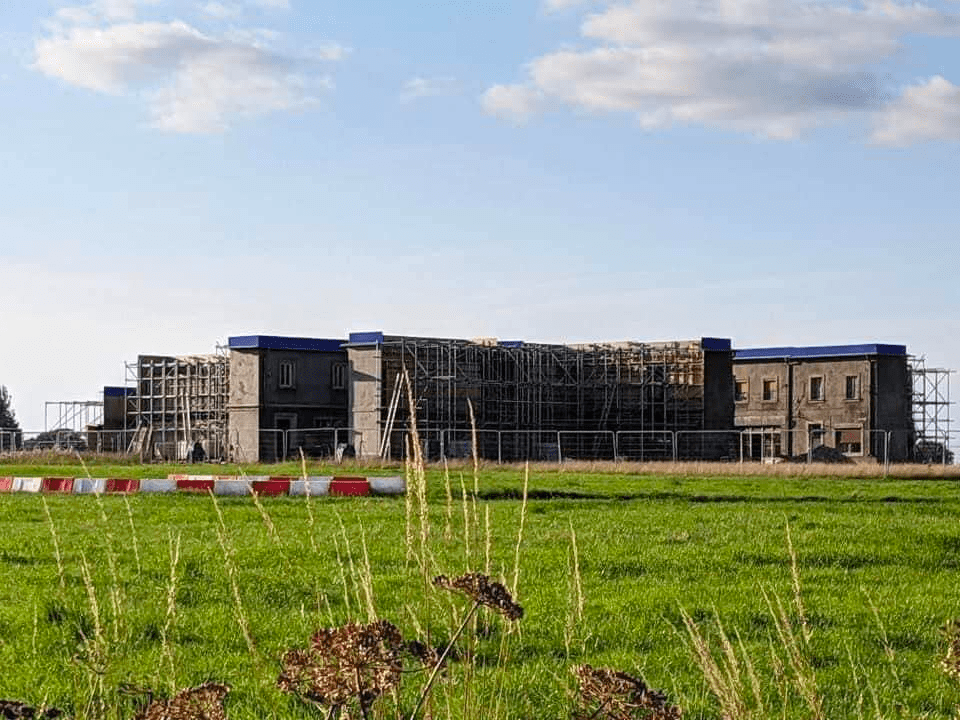
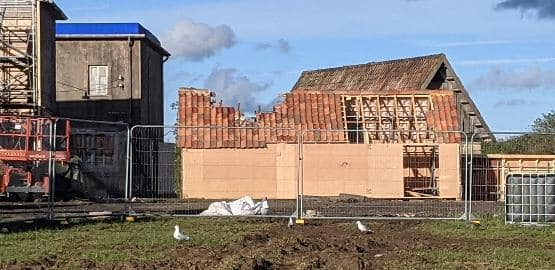
FILMING A BOMBED-OUT GERMAN VILLAGE

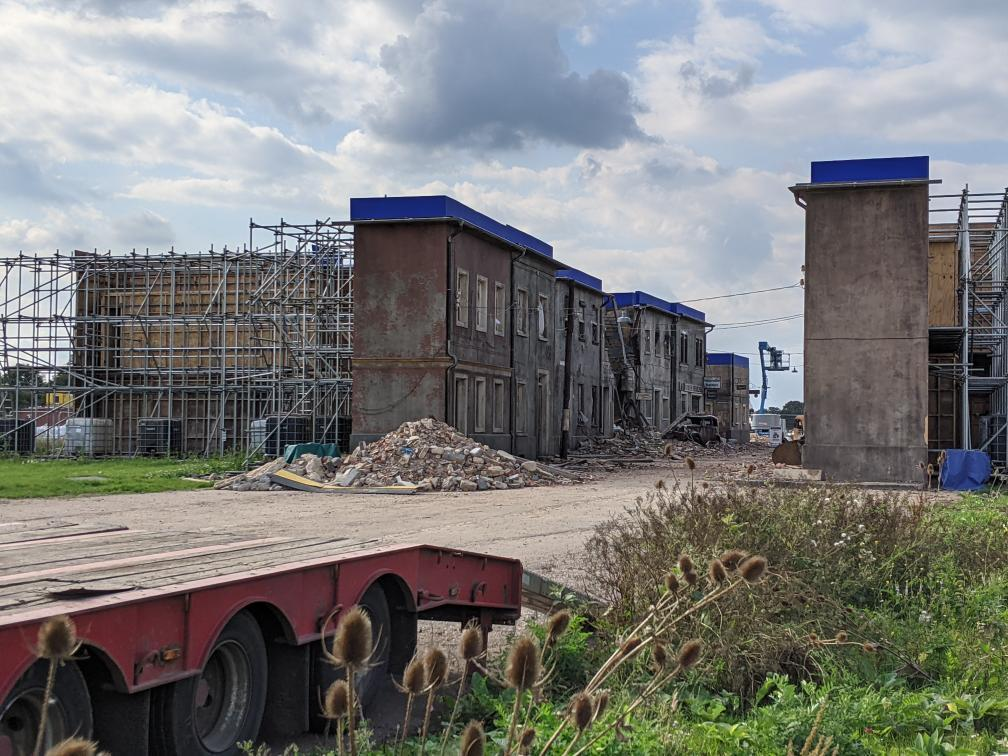
This massive set appears to be a German town hit by bombs or artillery fire. Rubble from destroyed buildings lines the street.


The blue material running atop the structure is likely for CGI/post-production.

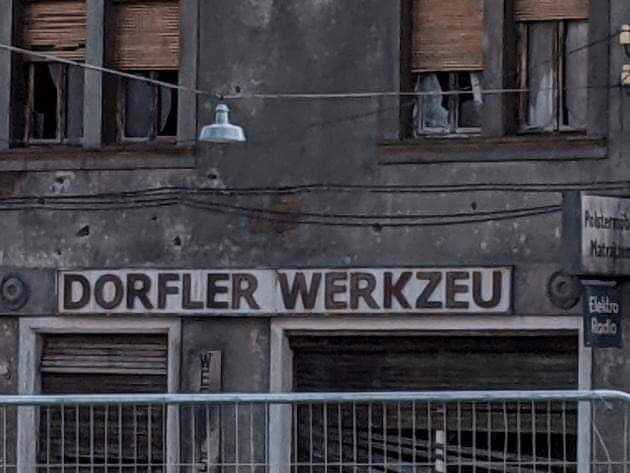
The building detail above is exceptional – bullet holes, broken glass, and dirty facades authentically replicate the damage done by war. The shop sign reads “Dorfler Werkzeu,” which loosely translates to “Tool Shop,” seemingly confirming this set is meant to simulate Germany.

SWASTIKAS ON SET


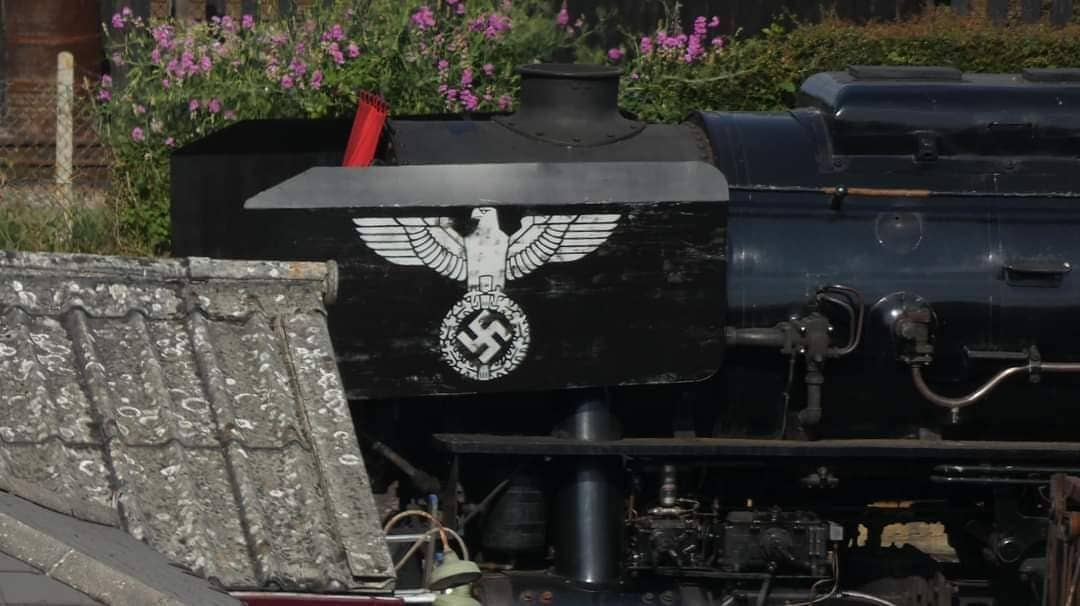
Swastikas were spotted in England 75-year after Hitler was defeated. Above, a Swastika appears on a WWII-era train spotted on set.


The eponymous red Nazi banner adorned with a Swastika is spotted behind a train car.

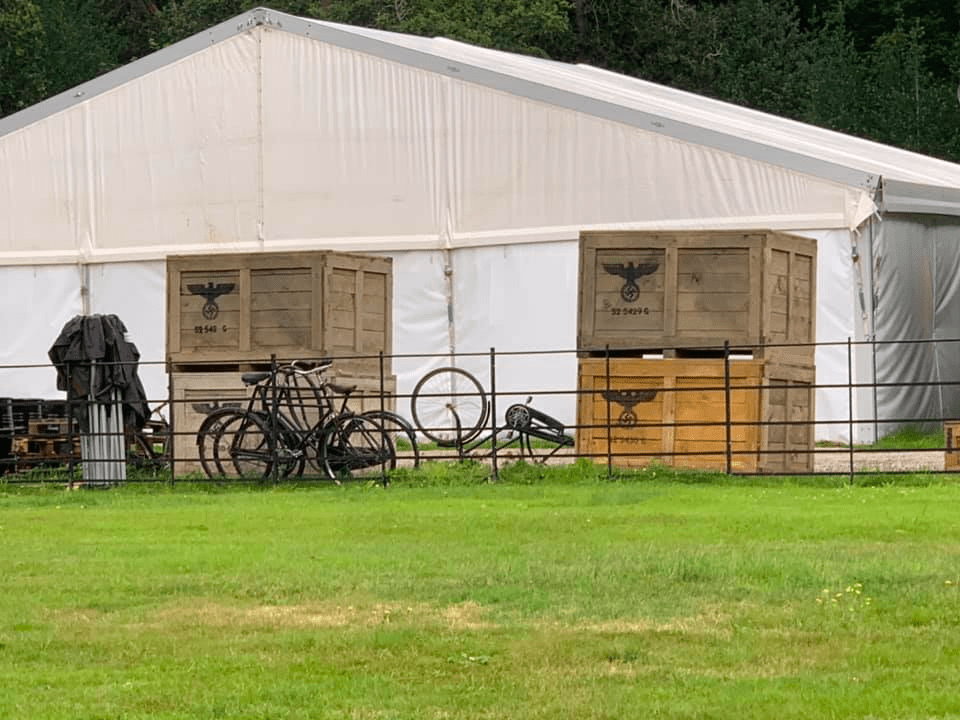
While filming at Chiltern Open Air Museum, crates stamped with Swastikas were spotted stacked against a fence.

FILMING ENGLAND AT WAR


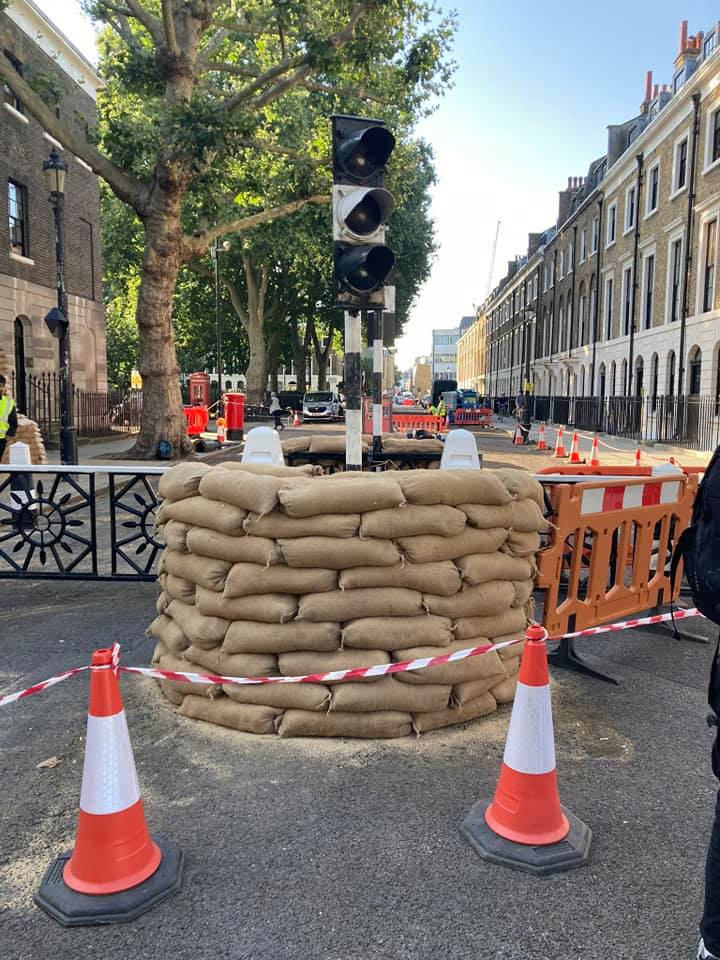
An Air Raid Shelter was built in Hemel Hempstead’s Old Town. The sandbags cover a modern-day tattoo shop.


Production isn’t forgetting the primary wartime mode of transit for English and American Airmen alike – a bike thanks to fuel shortages and many square-mile airbases. A gigantic pile of them was spotted on set.


The German bombing campaign against Britain appears to be part of the series, too. The setting is presumably London, but the time period is unknown (ie. destruction from the Battle of Britain or V1/V2 rockets).
The perimeter around the rubble is part of set. The signs hanging from the red and white bar tell passersby that if they steal, they will be punished.
The blue backdrop in the photo above is likely for CGI so the set can be blended in with neighboring buildings in post-production.


The devil’s in the details, and production appears to be knocking it out of the park. They’ve recreated dozens of wartime newspaper headlines. The papers don’t give away a date, but headlines detail an RAF nighttime raid on Stuttgart, the Italian fleet shelling their foe in Yugoslavia, and Russia gaining traction.